


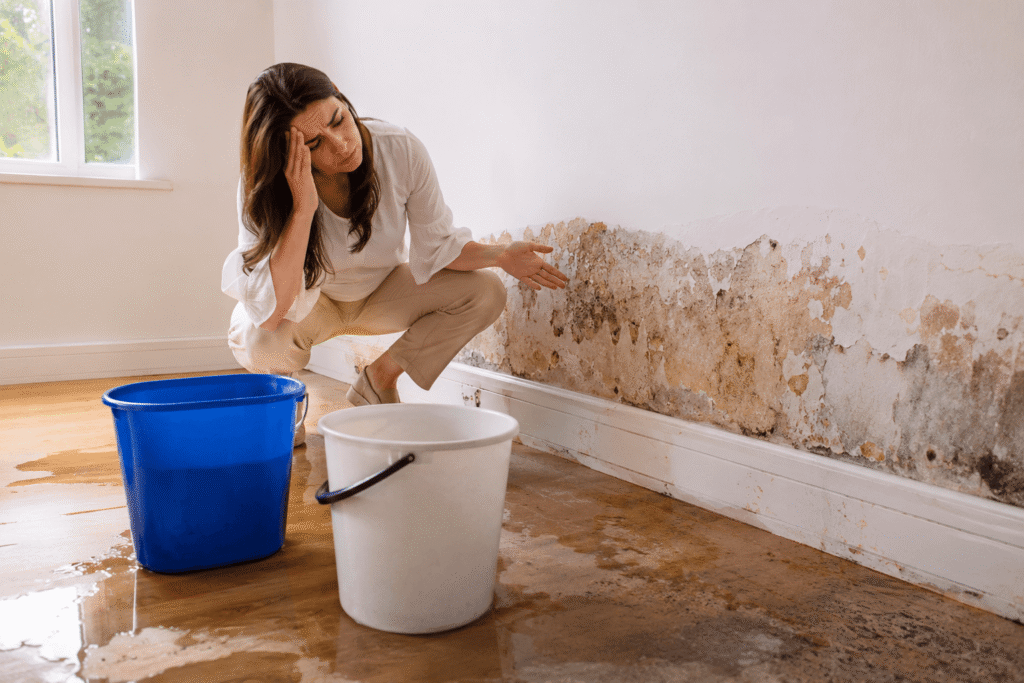
Water damage is not always obvious at first. What starts as a small ceiling stain, peeling paint, or a persistent musty smell can be an early warning that moisture is spreading behind walls, beneath flooring, or inside other hidden areas of your home.
Left untreated, even a minor leak can lead to mold growth, structural damage, and more expensive repairs over time. Recognizing these warning signs early gives you the opportunity to address the problem before it becomes more serious.
In this guide, we’ll cover seven common signs you need water damage restoration, explain what each one could mean, and help you understand when it’s time to call restoration professionals to inspect and restore your property.
What Happens When Water Damage Goes Untreated?
Water doesn’t just evaporate on its own, especially if it gets behind walls, under flooring, or in insulation. Moisture can be trapped for weeks, weakening building materials and providing the right environment for mold.
Untreated water damage can result in:
- Deterioration of structure
- Growth of mold and mildew
- Flooring warping
- Broken drywall, ceilings
- Electrical hazard
- More expensive to fix
Professional restoration companies use specialized moisture detection equipment to detect water that is not visible to the naked eye and ensure affected areas are properly dried out.
7 Signs You Need Water Damage Restoration
Don’t ignore signs of water damage, as it can pose serious problems in the long run. If you notice any such signs, you may require water damage restoration on an immediate basis.
1. Water Stains on Walls or Ceilings
One of the first and most obvious signs of water damage is discoloration on ceilings or walls. Yellow, brown, or copper-colored stains often are signs that water has been working its way behind the surface for some time.
These stains may result from:
- Roof leaks
- Plumbing leaks
- Overflowing appliances
- HVAC condensation
- Upstairs bathroom leaks
Even if the stain appears dry, moisture may still be trapped inside the materials. Simply painting over it won’t solve the underlying problem.
2. Musty or Damp Odors That Don’t Go Away
If your house smells damp even after cleaning, trapped moisture is usually to blame. One of the most common hidden signs of water damage is a persistent musty smell, caused by moisture trapped in walls, flooring, or crawl spaces that cannot dry properly.
The smell might be noticeable in:
- Nearby Bathrooms
- Around kitchens
- In cellars
- In closets
Often, these odors signal conditions that can lead to mold growth.
3. Peeling Paint, Bubbling Walls, or Wallpaper Lifting
Paint and wallpaper are made to adhere to dry surfaces. That bond will be weakened by moisture in the drywall. Watch for:
- Bubbling paint
- Peeling paint
- Wallpaper separating from walls
- Soft drywall
- Cracks are forming around damaged areas
These are clear signs you need water damage restoration, especially if the damage continues spreading over time. Ignoring cosmetic changes often allows moisture to continue damaging the underlying wall.
4. Warped or Buckling Floors
Your flooring is often among the first materials affected by excess moisture. Water can lead to:
- Warp or buckle hardwood boards
- Laminate flooring expands
- Loosen vinyl flooring
- Tile grout cracks
- Carpet padding to stay wet
Many homeowners replace damaged flooring without addressing the moisture beneath it. Unfortunately, if the problem is not corrected, the new flooring often suffers the same fate.
5. Mold Growth or Recurring Mildew
Visible mold is one of the strongest indicators that excess moisture has been present for an extended period. Common locations include:
- Window frames
- Basement Walls
- Behind furniture
- Under sinks
Even small patches of mold may indicate a larger hidden moisture problem. Because mold can begin growing within a relatively short time after materials become wet, prompt restoration helps minimize both property damage and cleanup costs.
If mold keeps returning after cleaning, there’s almost certainly an unresolved water issue.
6. Unexpected Increase in Water Bills
Not every plumbing leak is obvious. Sometimes the only sign of a hidden leak is a monthly water bill that is abnormally high. Leaky pipes behind walls or under foundations can waste a lot of water and slowly damage your house.
Other clues include:
- Constant noise of running water
- Wet areas suddenly
- Low water pressure
- Wet floors around water fixtures
These are often overlooked hidden water damage signs that deserve immediate attention.
Professional restoration companies frequently work alongside plumbers to address both the leak and the resulting water damage.
7. Soft, Sagging, or Damaged Ceilings
Water runs down, and ceilings are especially vulnerable to damage. Signs to watch for:
- Sagging ceilings
- Soft spots
- Cracks
- Soft consistency.
- Water dripping
A sagging ceiling may indicate that water has accumulated above the drywall, creating both structural and safety concerns. This is one of the situations where you shouldn’t wait. Knowing when to call for water damage restoration can help prevent ceiling collapse and more extensive repairs.
Why Hidden Water Damage Is More Dangerous Than Visible Damage
Visible water often receives immediate attention, but hidden moisture usually causes the greatest long-term problems. Some of the most common hidden water damage signs include:
- Persistent musty odors
- Warm or damp spots on walls
- flooring loose
- Unexplained mold
- Repetitive paint damage
- High Indoor Humidity
- Growing water stains
Moisture can flow through insulation, framing, and subfloors, so the affected area is often much larger than you can see. Professional restoration teams use moisture meters, thermal imaging cameras, and industrial drying equipment to identify and eliminate hidden moisture before repairs begin.
When to Call for Water Damage Restoration
Many homeowners wonder whether they should wait for the area to dry naturally. In most cases, waiting only allows the damage to spread. You should know when to call for water damage restoration if you notice:
- Standing water inside your home
- A broken pipe
- The roof leaks after the storm
- Water stains that continue growing
- Persistent damp odors
- Mold from a leak
The sooner professionals begin drying and restoration, the better the chance of minimizing structural damage and preventing mold growth.
How Professional Water Damage Restoration Helps
Water damage often starts quietly, but it rarely stays that way. Knowing the signs you need water damage restoration early can save you from costly repairs, mold problems, and structural damage down the road.
You may see a discolored ceiling, warped floors, peeling paint, or constant musty odors—whatever it may be, don’t ignore these warning signs. There are many signs of water damage that tell us moisture is spreading behind the scenes, where it can continue to cause damage long before it is visible.
Professional restoration involves much more than just removing the water you can see. The standard restoration process includes:
- Moisture inspection and complete assessment
- Water removal
- Drying and dehumidification, industrial
- Monitoring moisture
- Cleaning and disinfecting the affected areas
- Eliminate Odor
- repair of damaged substances
American Restoration Water and Fire team detects hidden moisture and restores your home safely and efficiently after a water emergency. Acting early can significantly reduce repair costs and help protect your property’s structural integrity.
Frequently Asked Questions
What are the first signs you need water damage restoration?
The earliest signs that you need water damage restoration include water stains, musty odors, peeling paint, warped flooring, and unexplained increases in your water bill. These warning signs usually indicate concealed moisture problems that require professional attention.
Can hidden water damage cause mold?
A common sign of hidden water damage is mold growth. If moisture behind walls, under floors, or inside ceilings isn’t addressed immediately, it becomes a perfect breeding ground for mold.
When should I call a water damage restoration company?
You should know when to call for water damage restoration as soon as you notice flooding, burst pipes, roof leaks, standing water, growing water stains, persistent damp odors, or mold. Early intervention helps limit damage and reduces restoration costs.
Can water damage spread even if the surface looks dry?
Yes. Water can leak under flooring, in wall cavities and in insulation. Even if the surface appears dry, moisture can still damage structural materials and cause mold growth.
Is professional water damage restoration necessary for small leaks?
Even small leaks can cause significant hidden damage over time. A professional inspection can detect moisture you can’t see and help ensure the affected areas are properly dried before more serious problems develop.