


What Are Mold Mites? Understanding and Eliminating These Hidden Pests
Published
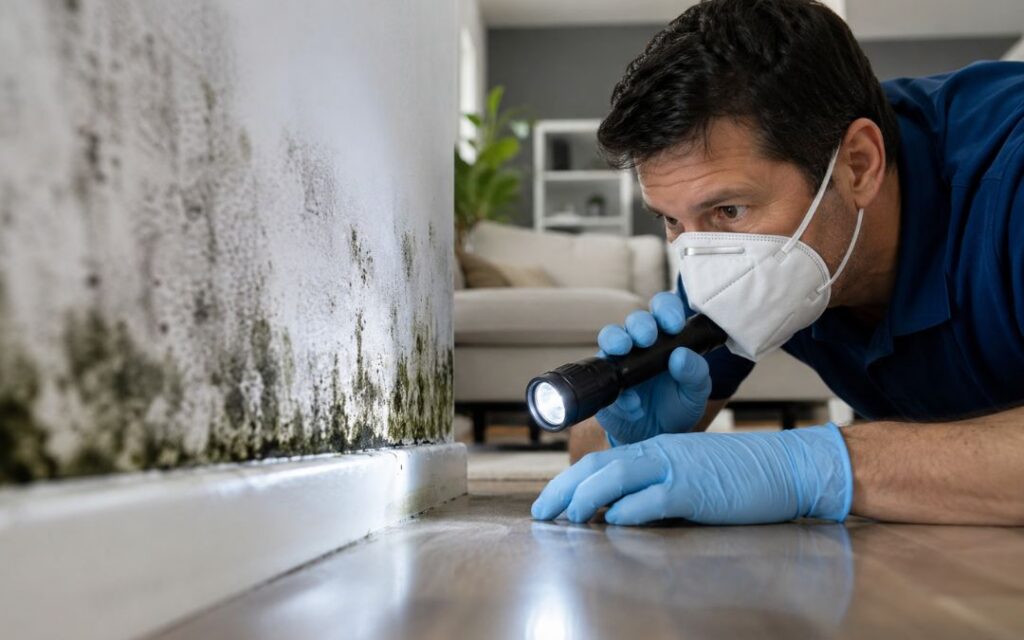
What Are Mold Mites? Understanding and Eliminating These Hidden Pests
If tiny white or brown specks are moving across a damp wall, windowsill, cabinet, or other surface, you may wonder whether you have a pest problem. Mold mites are microscopic organisms that feed on fungi and thrive where moisture allows mold to grow.
Their presence can be a warning sign. A leak, condensation, high humidity, or damp building material may be supporting the mold they feed on. That is why wiping or spraying the mites rarely solves the problem. You need to find and address the moisture source.
What Are Mold Mites and Where Do They Come From?
Mold mites are microscopic arthropods associated with fungi and damp materials. One species commonly linked to these environments is Tyrophagus putrescentiae, sometimes called a fungus mite.
They are extremely small and may appear as pale, white, or brownish moving dots. Without magnification, identification can be difficult.
You may notice them around:
- Damp bathrooms or kitchens
- Condensation-prone windows
- Cabinets beneath plumbing
- Closets against damp walls
- Areas affected by water damage
- Humid basements or storage spaces
For example, a slow leak behind a cabinet may create enough moisture for mold to develop before visible water damage appears. Mite activity in that area can be another reason to investigate.
The mites are benefiting from the damp environment. They are not causing it.
Signs of Mold Mites and Why They Matter
Seeing mold mites does not automatically mean your home has extensive mold contamination. Look at the surrounding evidence instead.
Possible clues include:
- Tiny moving specks concentrated in one area
- Visible mold or unexplained discoloration
- A musty odor that keeps returning
- Condensation on windows, pipes, or walls
- Damp or recently water-damaged materials
- Allergy or respiratory irritation indoors
Mold mites are not the same type of pest as bed bugs and are not known for biting people. The larger concern is the mold and moisture conditions supporting them. Mold exposure can contribute to allergic reactions and respiratory symptoms in some people.
Pay attention to patterns. If you clean one surface and the activity returns nearby, the source may be inside a wall, beneath flooring, around plumbing, or somewhere else moisture is collecting.
How to Eliminate Mold Mites Effectively
The best way to control mold mites is to remove the conditions they depend on.
1. Find the Moisture Source
Start with the area where activity is concentrated. Check for plumbing leaks, roof damage, condensation, poor ventilation, or HVAC moisture problems.
A dry surface does not always mean the material underneath is dry. Moisture can remain inside drywall, insulation, flooring, or other porous materials.
EPA recommends controlling moisture and keeping indoor relative humidity below 60%, with 30% to 50% considered ideal when possible. (EPA)
2. Address the Mold
Once the moisture source is controlled, deal with the affected mold.
Small areas on suitable hard surfaces may sometimes be cleaned appropriately. Larger, recurring, or hidden contamination may require professional assessment and mold remediation.
Do not simply paint over mold. Covering the surface does not remove the moisture or contamination underneath.
3. Clean With HEPA Filtration
A HEPA vacuum can help capture settled particles during appropriate cleanup. It is particularly useful as part of a controlled cleanup process after contaminated materials have been removed and the area has dried.
Regular vacuuming alone is not enough if the source of the problem remains.
4. Control Indoor Humidity
A dehumidifier can help reduce excessive humidity, while exhaust fans and better ventilation can limit moisture buildup in bathrooms, kitchens, and other problem areas.
Use a humidity meter if you are unsure whether a room is staying too damp. Comfort alone is not a reliable measure of indoor humidity.
5. Remove Heavily Affected Materials
Porous materials can be difficult to clean once mold has penetrated them. Severely affected drywall, insulation, carpeting, ceiling materials, or similar items may need removal rather than repeated surface cleaning.
This is one reason a professional assessment can be useful after significant water damage or when mold continues returning.
Common Mistakes When Dealing With Mold Mites
Several approaches can make the problem look better without fixing the cause.
- Using insecticides first: This may kill visible mites while leaving mold and moisture untouched.
- Ignoring hidden moisture: A leak behind a wall can continue supporting mold even when the surface looks clean.
- Cleaning without proper controls: Disturbing contaminated material can spread particles around the affected area.
- Skipping humidity control: Mold conditions can return when indoor moisture remains high.
If the activity keeps returning to the same location, investigate the building condition rather than repeatedly treating the visible pests.
Address the Source, Not Just the Mites
The presence of mold mites is often more useful as a warning sign than as a standalone pest problem. Their activity can point toward moisture and mold conditions that need attention.
At American Restoration, we can help identify moisture sources, assess affected areas, and determine what needs to be cleaned, removed, or professionally remediated. The goal is to address the conditions supporting the problem rather than repeatedly treating what appears on the surface.
If you are seeing mold mites, recurring mold, or a musty odor that will not go away, contact American Restoration to discuss the source and determine the appropriate next step.
FAQs
Are all tiny white specks mold mites?
No. Tiny moving particles can be difficult to identify without proper examination. Do not assume every small speck near mold is a mite.
Why do mold mites keep coming back?
Recurring activity may mean the underlying moisture problem has not been corrected. Hidden leaks, condensation, damp materials, or elevated humidity can continue creating favorable conditions.
Will a dehumidifier eliminate mold mites?
Not directly. It can reduce humidity and make the environment less favorable for mold growth, but it cannot repair a leak or remove existing mold.
When should I call a professional?
Consider professional help when mold keeps returning, the moisture source is hidden, contamination is extensive, or affected materials cannot be safely cleaned. A professional assessment can help determine what is actually causing the problem.