


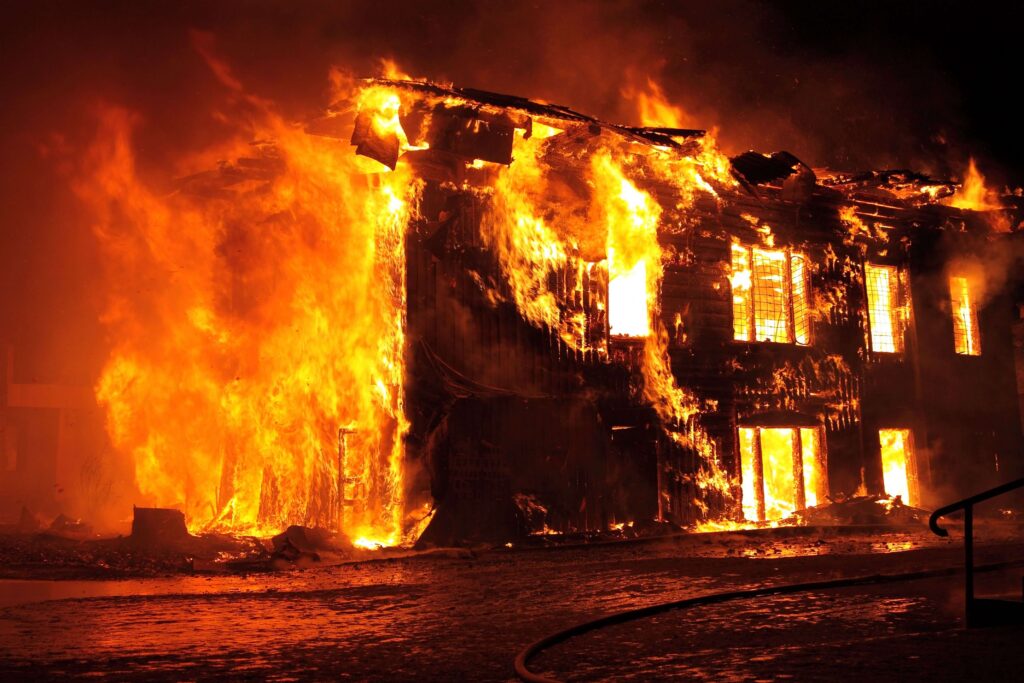
Can you imagine a normal day at home turning into an unexpected emergency? A forgotten meal on the stove, an electrical outlet not working properly, or even a candle burning in another room can start a fire in minutes.
While no homeowner expects it, residential fires are more common than many people realize and in many cases, they’re preventable.
Understanding the common causes of house fires is one of the most effective ways to protect your family, your home, and your belongings.
Spotting potential hazards and adopting safer habits can significantly reduce your risk of a devastating fire.
This guide will look at the common causes of house fires, how to prevent them, and what to do if your home is damaged by fire.
Why House Fires Happen More Often Than You Think
Not every house fire is caused by natural disasters or serious accidents. More often, they are routine jobs that look innocent until something goes wrong. Overloaded power strips and grease buildup on stoves and space heaters that are too close to furniture are serious fire hazards.
Many homeowners don’t realize how common these everyday risks are because they’re part of everyday life. But taking early action to protect against fire can help avoid expensive property damage, injuries, and emotional stress. Knowing what causes residential fires is the first step toward keeping your household safe and following home fire safety tips.
The Most Common Causes of House Fires
Many house fires begin with everyday activities that most homeowners rarely think twice about. Recognizing these common fire hazards can help you take preventive measures before a small mistake turns into a costly emergency.
1. Unattended Cooking
Cooking is the leading cause of home fires. Grease can flare up unexpectedly. Food on the stove can burn up. Paper towels and oven mitts can catch fire if they are too close to an open flame. A small incident can turn into a serious emergency if you walk away from the kitchen for a few minutes.
To minimize the risk:
- Don’t leave food unattended while it is being cooked
- Keep flammable items away from the stovetop.
- Wipe down cooking surfaces regularly to remove grease buildup.
- Keep a fire extinguisher in your kitchen in an easy-to-reach location.
2. Electrical Problems
Electrical problems often go unnoticed until they overheat or spark, so regular checks are essential.
- Replace damaged electrical cords promptly.
- Avoid overloading outlets and power strips.
- Schedule periodic electrical inspections for older homes.
3. Heating Equipment
Electric heaters, fireplaces, and wood stoves are great for warmth during the cold months, but can be dangerous if used improperly. It is amazing how quickly heating equipment can ignite furniture, curtains, blankets, and other combustibles placed too close to it.
Protect your home by:
- Keeping at least three feet of clearance around heaters.
- Turning portable heaters off before leaving the room.
- Cleaning fireplaces and chimneys regularly.
- Following the manufacturer’s safety instructions for all heating equipment.
4. Candles and Open Flames
Candles can be a great way to relax, but they are a common source of home fires when left burning unattended. A candle left too close to the curtains or knocked over by a child or pet can easily ignite a room.
Prevent candle-related fires by:
- Blowing out candles when leaving the room.
- Candles on heat-resistant solid surfaces.
- Keeping them away from combustible materials.
- Where possible, use flameless candles.
5. Smoking Indoors
Carelessly discarded cigarettes or cigars can continue to burn. Upholstered furniture and garbage cans are especially likely to ignite from smoking materials.
Reduce the risk by:
- Smoking outdoors whenever possible.
- Using deep, sturdy ashtrays.
- Ensuring cigarettes are fully extinguished before disposal.
- Never smoking while lying down or feeling drowsy.
6. Faulty or Poorly Maintained Appliances
Household appliances can ease your daily life, but if they are not maintained, they can become fire hazards. A fire can start nearby if a dryer’s lint trap is clogged or if a kitchen appliance or electronic device overheats due to damage.
Basic maintenance can go a long way:
- Clean your dryer lint filter after every load.
- Inspect appliance cords for damage.
- Repair or replace malfunctioning appliances promptly.
- Follow the manufacturer’s maintenance recommendations.
7. Children Playing With Fire
Matches and lighters can be fascinating to young children who do not understand the danger. Unsupervised curiosity can easily start a fire that will spread before anyone knows what is happening.
Keep your family safe by:
- Keeping matches and lighters locked up.
- Supervision of the use of fireworks and sparklers
- Install smoke alarms throughout your home.
8. Improper Storage of Flammable Materials
Store gasoline, paint thinners, cleaning chemicals and other flammable liquids carefully at all times. Keeping these materials near a heat source or in the wrong type of container greatly increases the chances of accidental fires.
Follow these safety practices:
- Store flammable liquids in approved containers.
- Keep chemicals away from heat and direct sunlight.
- Never use gasoline indoors.
- Dispose of hazardous materials according to local regulations.
How to Prevent House Fires
The best way to protect your home is to make fire safety a habit every day. Accidents happen, but regular maintenance and safe habits go a long way toward preventing fires. You don’t have to spend a lot of money to upgrade your home to help prevent a fire; little things can make a big difference.
Some practical home fire safety tips include:
- Test smoke alarms monthly and change batteries as necessary.
- Create and practice a family fire escape plan.
- Have fire extinguishers on all levels of your home.
- Conduct annual inspections of heating and electrical systems.
- Do not overload electrical receptacles.
- Keep grills and outdoor fire pits away from your house.
- Keep combustible materials away from heat sources.
Knowing how to prevent house fires starts with paying attention to everyday habits. A few simple precautions today can help protect your family and prevent extensive damage tomorrow.
What to Do After a House Fire
Even after the flames are extinguished, smoke, soot, and water used to fight the fire may still affect your home. If these underlying issues are not addressed quickly, the damage can continue.
If your home has been hit by fire:
- Wait until emergency officials confirm it’s safe to enter.
- Contact your insurance provider immediately.
- Photograph the damage before moving belongings.
- Avoid attempting extensive soot cleanup yourself.
- Call in a professional restoration company to evaluate the damage and start the recovery process.
Acting quickly can help limit further damage and increase the chances of saving your property.
Why Professional Fire Damage Restoration Matters
Fire damage is usually more extensive than what is visible on the surface. Smoke particles can become trapped deep within walls, furniture, and HVAC systems, and soot can permanently stain materials if not properly cleaned. Water used to put out the fire can also provide conditions for mold growth. Professional restoration specialists have the equipment, training, and experience to remove smoke odors, safely clean soot, repair structural damage, and restore your home as efficiently as possible.
Conclusion
Knowing common causes of house fires can help you take simple and effective steps to reduce fire hazards in your home. The best prevention is a conscious approach in your everyday life, from safe cooking to your electrical system and appliances. While no one can eliminate every risk, being prepared and acting fast after a fire can make a big difference. And if the unexpected occurs, working with experienced restoration professionals will help you safely restore your home and move forward with confidence.
Why Homeowners Trust American Restoration
A house fire can be overwhelming to deal with, but the right restoration team can make all the difference. American Restoration NM offers quick, professional fire damage restoration services to help homeowners get back on their feet with confidence.
From emergency response and smoke-damage cleanup to structural repairs and full restoration, their experienced team is dedicated to restoring your property and preventing further damage. They walk homeowners through every step of the recovery process using professional-grade tools, tried-and-true restoration methods, and a customer-first mentality.
FAQs
What is the most common cause of house fires?
One of the leading causes of residential fires is unattended cooking, especially when food or grease is left unattended on the stove.
How often should smoke alarms be tested?
Test smoke alarms monthly and change batteries when weak or as recommended by the manufacturer.
Can smoke damage affect areas that weren’t burned?
Yes. Smoke and soot can travel throughout a home, leaving behind odors and residue even in rooms that weren’t directly touched by flames.
Is it safe to clean fire damage myself?
Minor surface cleaning is possible but extensive soot and smoke damage must be dealt with by professionals to avoid permanent damage and health risks.
When should I contact a fire damage restoration company?
You should contact a restoration company as soon as emergency responders declare your home safe to enter. Early restoration helps prevent further damage and accelerates recovery.