


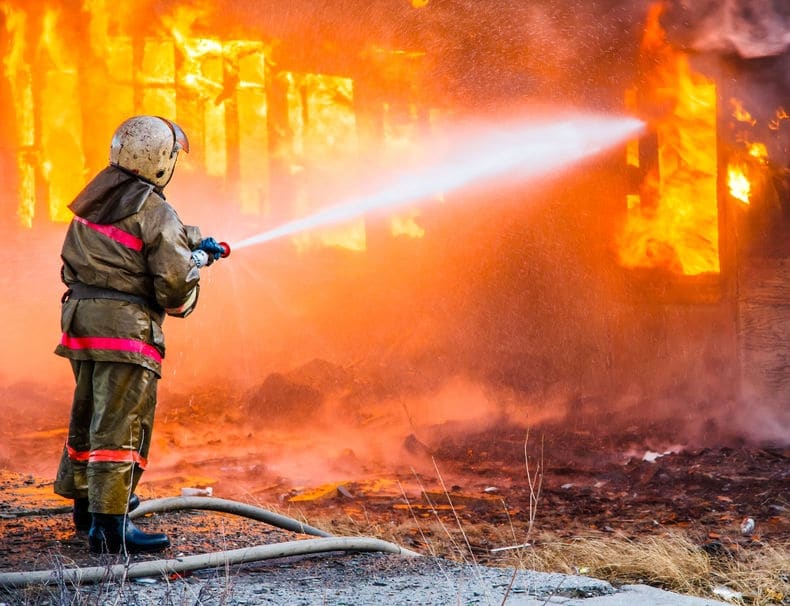
A house fire can leave homeowners facing many decisions at once. After the immediate safety concerns are addressed, the next steps often involve documenting the damage, working with insurance, and understanding how recovery will proceed.
Smoke, soot, and water left behind from firefighting efforts can continue affecting your home if they are not addressed properly. Knowing what happens during the fire damage restoration process can help you understand what to expect and how professionals approach cleanup and repairs.
This guide explains the important steps to take after a house fire. You will learn about immediate actions, damage assessment, cleanup, restoration, and the process of bringing your home back to a safe condition.
What to Do Within 24 Hours of a House Fire
After a fire, it is natural to want to check your home and see what can be saved. However, your first priority should always be safety. Even if the flames are gone, your property may still contain hidden dangers that are not immediately visible.
The right response after a fire is not about rushing back inside; it is about making careful decisions that protect your family and your home.
Make Sure Everyone Is Safe
The first step after any house fire is confirming that everyone in your household is safe, including children, elderly family members, and pets. If anyone has been exposed to smoke or suffered injuries, seek medical attention immediately.
Smoke exposure can cause breathing problems and other health concerns, even after leaving the property. It is important not to ignore symptoms simply because the fire has been contained.
Once everyone is safe, you can begin focusing on the next stages of recovery.
Wait Before Entering Your Home
One of the most important parts of what to do after a house fire is waiting until your property has been cleared by the fire department before attempting to go inside.
A home that has experienced fire damage may have weakened walls, damaged flooring, unstable ceilings, or electrical hazards. In addition, toxic smoke residue and soot can remain throughout the property, creating health risks.
Although you may want to collect personal belongings, important documents, or valuables, entering the property without approval can put you at risk. If you need something urgently, ask emergency responders whether it can be safely retrieved.
Contact Your Insurance Company
After ensuring your family is safe, contacting your insurance company should be one of your next steps. Reporting the fire quickly allows the claims process to begin and helps you understand what documentation is required.
Before removing damaged items or beginning cleanup, take photographs and videos of the affected areas. Document damaged furniture, appliances, personal belongings, walls, flooring, and any visible structural issues.
Keep records of:
- Emergency expenses
- Temporary housing costs
- Damaged belongings
- Repair-related documents
Detailed documentation can make the insurance process smoother and help your provider better understand the extent of the damage.
Arrange Temporary Housing
If your home is unsafe or requires extensive restoration, you will need a temporary place to stay while repairs are completed.
Many homeowners stay with family members or friends, or at hotels, during this period. Depending on your insurance policy, you may have coverage for temporary living expenses while your home is being restored.
Keeping receipts for accommodation, food, and other essential expenses can help when working with your insurance provider.
House Fire Recovery Checklist: What Homeowners Should Do Next
A fire can leave you feeling uncertain about where to begin. Having an after a fire checklist can help you stay organized and ensure important steps are not overlooked.
After a fire, homeowners should:
- Confirm everyone is safe and accounted for
- Wait for official approval before entering the property
- Contact their insurance provider
- Take photos and videos of the damage
- Protect important documents and belongings when possible
- Keep records of emergency expenses
- Contact a professional restoration company
Following a checklist helps you focus on the most important actions while avoiding decisions that could create additional problems during the recovery process.
What Damage Can a House Fire Cause?
Many homeowners assume that fire damage only affects the areas touched by flames. However, the effects of a fire often extend much further.
Understanding the different types of damage your home may experience can help you recognize why professional restoration is often necessary.
Fire Damage
Direct fire damage can affect walls, ceilings, flooring, furniture, appliances, and personal belongings. Depending on the severity of the fire, some materials may require repair while others may need replacement. Fire can also weaken your home’s structure, affecting areas that may not be immediately apparent.
Smoke Damage
Smoke can spread throughout your entire property, even in rooms where flames never reached. Smoke particles can settle into walls, ceilings, furniture, carpets, and ventilation systems. Without proper cleaning, smoke odors can linger for a long time and continue to affect your indoor environment.
Soot Damage
Soot is a fine residue created during the burning process. It can cover surfaces throughout your home and may cause permanent staining if not removed properly. Using regular household cleaners on soot can sometimes make the damage worse by spreading the residue. Professional cleaning methods are often required to safely remove soot from affected areas.
Water Damage From Firefighting Efforts
Water damage is another common issue after a house fire. Firefighters use significant amounts of water to extinguish flames, which can leave moisture behind in flooring, walls, insulation, and other materials.
If water damage is not addressed quickly, it can lead to additional problems, including mold growth and further structural deterioration.
Structural Issues
A fire can compromise the structural integrity of your home. Damaged roofing, walls, flooring, and support systems may require professional evaluation before repairs can begin.
How Professionals Handle House Fire Cleanup and Restoration
After a fire, cleanup involves much more than removing burned materials. Smoke, soot, and water damage can continue affecting your property even after the flames are gone. Following the right house fire cleanup steps helps address visible damage, prevent further issues, and prepare your home for restoration.
Professional fire restoration typically begins with a detailed assessment of the property to understand the extent of the damage. Based on the inspection, restoration experts develop a plan to clean, repair, and restore affected areas.
The house fire cleanup steps include:
- Damage assessment: Professionals inspect fire, smoke, soot, and water damage to determine the best restoration approach.
- Smoke and soot removal: Specialized cleaning methods are used to remove residue from walls, ceilings, furniture, and other affected surfaces.
- Water removal and drying: Water left behind from firefighting efforts is extracted, and affected areas are dried to help prevent additional damage.
- Odor removal: Professional deodorization helps eliminate persistent smoke odors trapped inside building materials.
- Repairs and reconstruction: Damaged areas are repaired or rebuilt to restore your home to a safe and functional condition.
While some homeowners may attempt cleanup on their own, fire damage restoration often requires specialized equipment and professional techniques. Proper cleanup helps protect your property, reduce long-term damage, and support a smoother recovery process.
How American Restoration Helps After a Fire Damage
Recovering after a fire can feel overwhelming, but professional support can help make the process more manageable.
American Restoration provides restoration services to help homeowners address fire-related damage, including:
- Fire damage restoration
- Smoke damage restoration
- Water damage restoration
- Reconstruction services
Their team helps assess the damage, develop a restoration plan, and complete the necessary restoration work to help return your property to a safe and functional condition.
Starting restoration quickly can help minimize additional damage and move your recovery process forward.
Frequently Asked Questions
What should I do first after a house fire?
The first step in what to do after a house fire is making sure everyone is safe. After that, wait for clearance before entering your home, contact your insurance company, document the damage, and begin planning restoration.
How soon should fire damage cleanup begin?
Fire damage cleanup should begin as soon as possible after the property has been declared safe. Quick action can help reduce further damage from smoke, soot, and water.
Can I clean smoke and soot damage myself?
Small cleaning tasks may be possible, but professional restoration is recommended for major smoke and soot damage, as improper cleaning methods can spread residue or cause further damage.
What are the main house fire recovery steps?
The main steps in recovering from a house fire include safety assessment, insurance coordination, damage evaluation, smoke and soot cleanup, water removal, repairs, and reconstruction.
Why is professional house fire cleanup important?
Professional house fire cleanup steps help safely address fire damage, smoke residue, soot, and water damage using specialized equipment and restoration methods.