


8 Factors That Affect the Cost of Asbestos Removal
Published
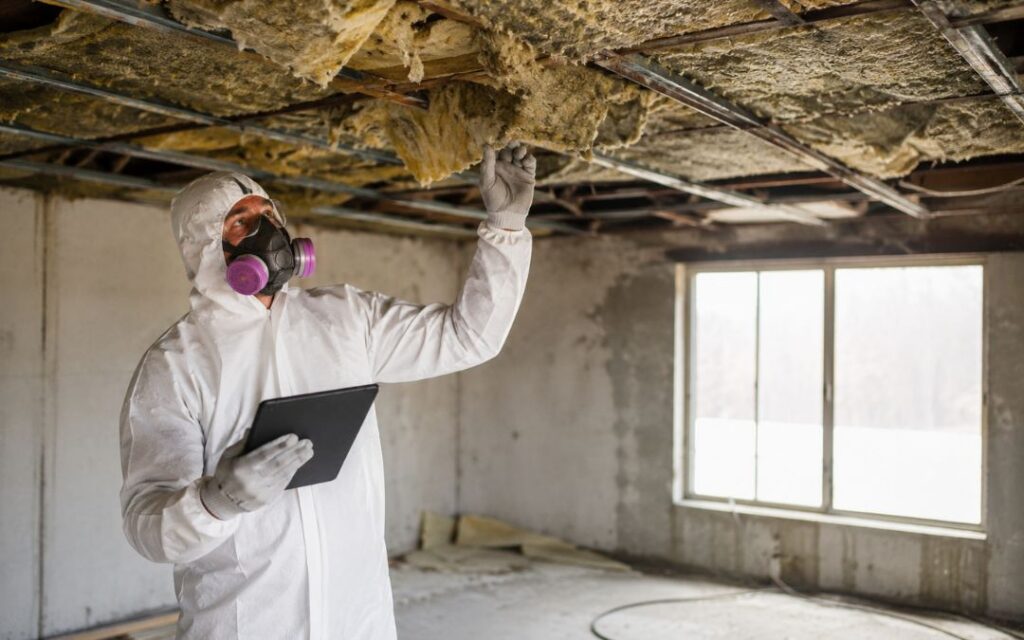
If you have just been told that a home or commercial property may contain asbestos, the price is probably one of your first questions. The frustrating part is that asbestos removal cost can vary quite a bit from one project to another, even when the jobs look similar on paper.
That is because contractors are not pricing the word “asbestos.” They are pricing the actual work involved: what the material is, where it is, how much is affected, how accessible it is, and what has to be done to safely remove and dispose of it.
What Goes Into the Number?
“Asbestos removal” can sound like one straightforward job, but the actual work varies from property to property. The material, its location, condition, and everything required to safely remove and dispose of it can all change the final price.
1. What Kind of Material Is It?
Asbestos has been used in floor tiles and adhesives, pipe insulation, ceiling materials, roofing products, siding, insulation, and textured coatings.
These materials do not all require the same approach. A small amount of pipe insulation in a tight mechanical area may involve more work than a larger, easily accessible area of another material.
2. How Much Needs to Be Addressed?
Quantity matters, whether the project involves square footage, linear feet of pipe, or individual components.
But asbestos removal cost is not simply a matter of multiplying the area by a fixed price. Setup, labor, containment, transportation, and disposal can add costs that do not change much with the size of the affected area.
3. Where Is the Material?
Location can make a noticeable difference.
Material in an open room is generally easier to access than material inside a crawl space, attic, wall cavity, mechanical room, or difficult-to-reach ceiling. Limited access can mean more preparation, labor, and safety controls.
4. What Condition Is It In?
Intact material and damaged or deteriorating material may require different precautions.
You may also hear friable asbestos, which refers to material that can be crumbled, pulverized, or reduced to powder by hand pressure. The condition of the material is something a professional needs to assess rather than something that can reliably be determined from a photograph.
5. Does It Need to Be Tested?
Sometimes the first expense is testing, not removal.
A professional inspection and laboratory analysis may be needed to determine whether a suspected material contains asbestos. Additional sampling may also be necessary depending on the property and project.
If you suspect asbestos, avoid disturbing the material while you determine what it is.
6. What Containment and Safety Measures Are Required?
Professional asbestos work may involve controls designed to keep fibers from spreading beyond the work area.
Depending on the project, this can include containment, specialized protective equipment, filtration, decontamination procedures, air monitoring, and the labor needed to set everything up and take it down.
These are part of the work required to manage the hazard safely.
7. How Will the Material Be Transported and Disposed Of?
Once asbestos-containing material is removed, it still has to be handled properly.
Packaging, transportation, disposal fees, approved disposal facilities, and documentation can all contribute to the project cost. This is another reason two estimates may differ even when the visible removal area looks similar.
8. What Happens After Removal?
Removing asbestos does not necessarily restore the property.
If flooring, drywall, ceiling materials, or insulation must be removed, those areas may need to be rebuilt afterward. Painting and other finish work may also be necessary.
When comparing estimates, ask whether the price covers asbestos removal only or includes reconstruction. Otherwise, two estimates may look comparable while covering very different scopes of work.
Why Two Estimates Can Look Completely Different
This is where comparing estimates gets tricky. You may have two proposals in front of you, both described as asbestos removal, with numbers that are nowhere close to each other.
Before assuming one company is simply more expensive, look at the scope.
One estimate may include testing, containment, removal, cleanup, and disposal. Another may cover only the removal itself.
Ask whether each proposal includes:
- Testing or laboratory analysis
- Labor
- Containment
- Air monitoring, when applicable
- Cleanup
- Transportation and disposal
- Clearance procedures, when applicable
- Reconstruction
- Permits or regulatory requirements, where applicable
The lowest number does not tell you much if important parts of the project are missing.
Can Someone Give You an Exact Asbestos Removal Cost Over the Phone?
A contractor may be able to give you a general idea, but be cautious about a firm project price based only on a phone call or a few photographs.
The actual asbestos removal cost can depend on conditions that are difficult to see remotely, including the material’s condition, exact quantity, accessibility, containment needs, and disposal requirements.
A site assessment gives the contractor a better understanding of what the work actually involves.
Frequently Asked Questions
What is the average asbestos removal cost?
There is no single number that accurately represents every project. Material type, quantity, location, condition, testing, containment, labor, and disposal can all affect the price.
Does asbestos testing cost extra?
It can. Testing and removal may be separate services, depending on the project and provider.
Is asbestos abatement the same as asbestos removal?
Not exactly. Asbestos abatement is a broader term for controlling or addressing an asbestos hazard. Removal is one possible abatement approach.
Does the removal price include rebuilding?
Not necessarily. Ask whether the estimate covers removal only or also includes reconstruction and finish work.
Why can a small asbestos job still be expensive?
Some project costs are relatively fixed, including setup, containment, labor, transportation, and disposal. A small affected area does not always mean a proportionally small project.
Before You Compare the Numbers
A low estimate does not always mean a lower overall cost. Make sure you know what the quote includes, such as testing, removal, containment, disposal, and any repairs afterward.
If you have suspected asbestos, American Restoration can help you determine the next step. Contact the team to discuss your property, arrange an evaluation, and understand the scope of work before removal begins.