


The Asbestos Abatement Process: A Step-by-Step Guide
Published
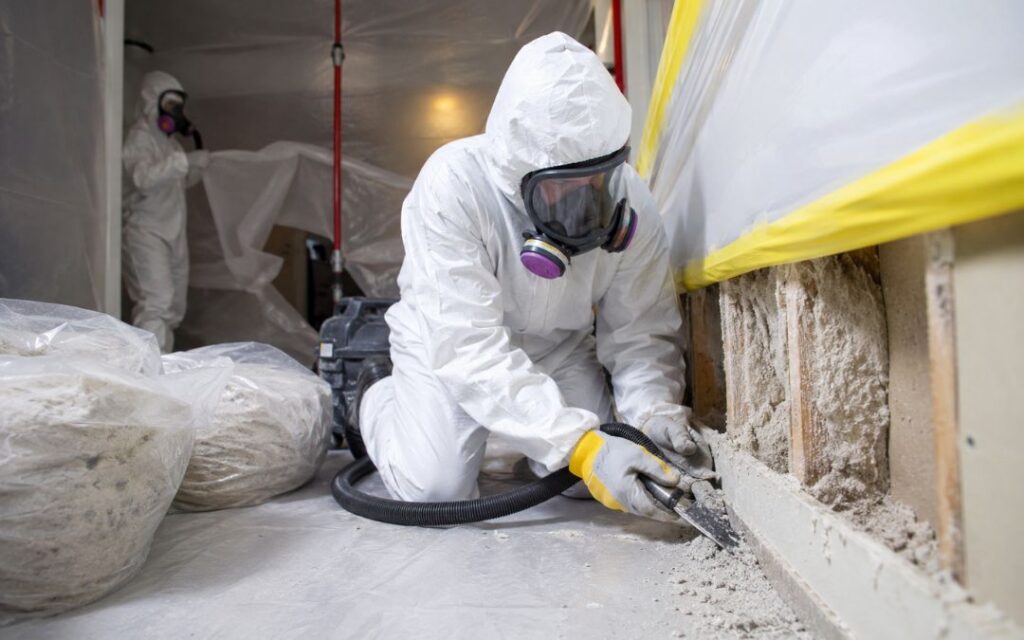
Finding out that a building material may contain asbestos can leave you with a pretty simple question: What happens now? You may be wondering whether the material needs to come out, whether you can stay in the property, or what happens before any work begins.
The asbestos abatement process is not simply a matter of removing an old material and throwing it away. What happens next depends on the type of material, where it is located, its condition, and what you plan to do with the property.
Here is what you can generally expect, from the first inspection through cleanup and final verification.
First, What Does Asbestos Abatement Actually Mean?
Before getting into the individual steps, it helps to clear up one common misunderstanding. Asbestos abatement does not always mean complete removal.
Abatement is the broader process of controlling, reducing, or removing an asbestos hazard. Depending on the material and circumstances, leaving it in place under an appropriate management approach may sometimes be possible.
The right choice depends on the property and the planned work.
Step 1: Inspect and Confirm the Material
The first step is figuring out what you are actually dealing with.
A qualified professional can inspect suspected asbestos-containing materials and determine whether sampling is appropriate. Samples may then be sent to a laboratory for analysis.
That matters because asbestos cannot be reliably confirmed just by looking at an older ceiling, floor tile, insulation, or other building material. If you suspect asbestos, avoid disturbing it while you determine what it is.
An inspection can also help establish where the material is located and how much may be involved.
Step 2: Decide What the Project Requires
Once asbestos has been confirmed, the next question is what needs to happen to it.
Professionals may consider:
- Type of asbestos-containing material
- Condition of the material
- Amount present
- Location and accessibility
- Planned renovation or demolition
- Applicable project and regulatory requirements
This is where the asbestos abatement process starts becoming specific to your property.
It also explains why two estimates can look very different. A small amount of material in a difficult-to-access area may require more preparation and labor than a larger amount in an easier location.
Step 3: Plan and Prepare the Work Area
Before the actual abatement begins, the work area needs to be prepared.
The purpose is to control the area and reduce the chance of asbestos fibers spreading into other parts of the property. Depending on the project, preparation may involve controlled access, containment, protective measures, and specialized equipment.
From outside the work area, this preparation can sometimes look like a lot of work before anything has actually been removed. That preparation is part of the job. It creates controlled conditions for the work that follows.
Step 4: Perform the Abatement
This is the part most people picture when they hear “asbestos removal,” but the actual work depends on the material and the project.
Trained professionals follow the project-specific plan and appropriate procedures for addressing the asbestos-containing material. The goal is to control potential fiber release while the material is removed or otherwise managed.
The asbestos abatement process should not be treated like a DIY demolition project. Disturbing suspected asbestos-containing material without the appropriate knowledge and controls can create unnecessary exposure risks.
Step 5: Clean Up and Handle the Waste
Removing the material is only part of the job. The work area also needs appropriate cleanup, and asbestos-containing waste has specific handling and disposal requirements.
Depending on the project, this may involve debris management, transportation, disposal fees, and required documentation.
This part of the asbestos abatement process is easy to overlook when you are comparing estimates. The cost is not just about removing material from a room. It can also include the work required to manage and dispose of it properly.
Step 6: Final Inspection or Clearance
The final stage depends on the project and applicable requirements.
Some projects may involve a final inspection, air monitoring, clearance testing, or other verification before the area is returned to normal use. Requirements can vary based on the type of work, property, location, and applicable regulations.
The point is to verify that the planned work has been completed appropriately, rather than simply checking whether the room looks clean.
What Happens After Asbestos Abatement?
The asbestos abatement process may end with the material being addressed, but that does not necessarily mean the room is finished.
If asbestos-containing flooring, ceiling material, drywall, insulation, or another building component had to be removed, the affected area may still need reconstruction. That could mean installing new materials, painting, replacing flooring, or completing other finish work.
Ask whether reconstruction is included in the contractor’s scope. Otherwise, you may be comparing an abatement-only estimate with a project that also includes repairs.
Frequently Asked Questions
Does asbestos always have to be removed?
No. Depending on the material, its condition, location, and planned work, leaving it in place under an appropriate management approach may sometimes be possible. A qualified professional can help determine what fits the situation.
How is asbestos confirmed?
Suspected materials are generally evaluated by qualified professionals, with sampling and laboratory analysis when appropriate. Visual inspection alone cannot reliably confirm that a material contains asbestos.
Is asbestos abatement the same as asbestos removal?
Not exactly. Abatement is the broader term for addressing an asbestos hazard. Removal is one possible method, while other approved approaches may sometimes be appropriate.
Can I perform asbestos abatement myself?
Do not disturb suspected asbestos-containing materials simply to find out what they are. Asbestos work can involve exposure risks and specific requirements, so professional evaluation is the safer starting point.
How Long Does Asbestos Abatement Take?
The timeline depends on the material’s size, location, and condition, as well as testing, containment, disposal, and repairs. We can provide a clearer timeframe after assessing the property.
Moving Forward With Asbestos Abatement
Finding asbestos can raise many questions, but you do not have to figure out the process alone. We can assess the situation, explain the scope of work, and help you understand what needs to happen next.
If you have suspected or confirmed asbestos, contact American Restoration to discuss your property and get started with a professional assessment.