


How Much Does Fire Damage Restoration Cost? 6 Factors That Affect the Price
Published
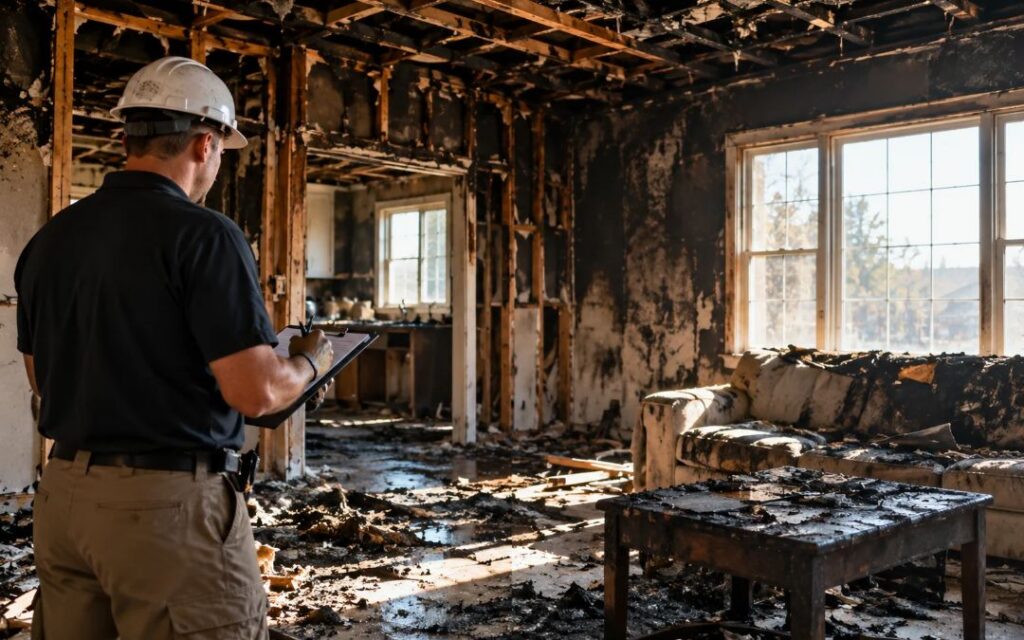
After a fire, money usually comes up right after the shock. How bad is it? What will insurance cover? What’s this going to run? Those are fair questions, and anyone who quotes a flat number before seeing your property is guessing. Fire damage restoration costs depend on what the fire, smoke, and water used to put it out left behind.
Understanding those pieces puts you back in control. You’ll know what an estimate should include and why two similar-sized jobs can be priced very differently. Ahead, we break down the six factors that matter most for homes and businesses in New Mexico and West Texas, plus the questions to ask before any work begins.
Quick answer: Fire damage restoration cost is driven by the size of the affected area, the type of smoke and soot, water damage from firefighting, structural repairs, contents and odor cleanup, and how quickly restoration starts. Only a professional on-site inspection can provide an accurate estimate.
1. How Much of the Property Was Affected
Square footage is the starting point. A small stovetop fire that scorched one kitchen wall is a very different job from a fire that spread into the attic.
Smoke doesn’t stay where the flames were, though. It drifts through hallways, closets, and vents, so a good estimate covers every space smoke reached, not just the burned area.
Cost impact: More affected rooms mean more labor, more cleaning, and more materials to replace.
2. The Type of Smoke and Soot
Not all soot cleans up the same way. What burned shapes the residue it leaves:
- Dry smoke from fast, hot fires burning paper or wood leaves a powdery residue that is usually easier to remove.
- Wet smoke from slow, smoldering fires involving plastics or rubber creates sticky, smeary residue with a strong odor.
- Protein residue from kitchen fires is nearly invisible but clings to surfaces and leaves a stubborn smell.
Sticky residues take specialized products and more labor. Left too long, soot can etch surfaces, turning a cleaning job into a replacement job.
Cost impact: Heavier, oilier residues raise cleaning time and may increase what has to be replaced.
3. Water Damage From Putting Out the Fire
Here’s the part many people forget. Firefighters often use a lot of water, and that water soaks into drywall, insulation, subfloors, and carpet.
That moisture needs to be extracted and the structure dried, or mold can follow. The EPA advises drying wet materials within 24 to 48 hours to help prevent mold growth.
Cost impact: Water mitigation adds equipment, drying time, and sometimes material removal to the overall bill.
4. Structural Damage and Rebuild Work
Cleaning is one thing. Rebuilding is another. You must remove and replace burned framing, damaged roofing, and destroyed drywall to make the property safe.
Older homes add one more variable. Some building materials in older properties may contain asbestos, and disturbing them during demolition can release fibers. Testing before tear-out protects your family and the crew, and confirmed asbestos needs proper asbestos abatement before rebuilding moves forward.
Cost impact: The deeper the structural damage, the larger the rebuild scope and the longer the timeline.
5. Contents Cleaning and Odor Removal
Your belongings matter as much as the walls around them. Furniture, clothing, electronics, and documents may be cleaned, deodorized, or written off depending on how badly they were exposed. Some items, especially food and certain medicines, aren’t safe to keep. Our list of toxic items to throw away after fire damage explains what to discard.
Odor is its own challenge. Smoke smell can linger in insulation and HVAC systems for months, so deodorization and air duct cleaning are often part of a complete job.
Cost impact: The amount of contents and the depth of odor treatment can noticeably shift the total.
6. How Quickly Restoration Starts
Time works against you. Soot keeps reacting with surfaces, odors settle deeper, and trapped moisture invites mold. A home left for weeks often needs more replacement than one handled right away.
Cost impact: Fast response usually means more can be cleaned and saved instead of replaced.
Does Insurance Cover Fire Damage Restoration?
Most standard homeowners and commercial property policies cover fire damage, but deductibles, limits, and exclusions vary. Many also cover living expenses if your home is unlivable during repairs.
Detailed photos, scopes, and itemized estimates from your restoration company help your adjuster process the claim faster.
What Should You Ask Before Approving an Estimate?
Before signing off on any work, get clear answers to these questions:
- Does the estimate cover smoke, soot, and water damage separately?
- Which items will be cleaned and which will be replaced?
- Is odor removal, including HVAC cleaning, included?
- Will the same company handle both cleanup and rebuild?
- What documentation will you provide for my insurance claim?
Get a Clear Answer on Your Fire Damage Restoration Cost
No two fires leave the same damage. The most reliable way to understand your fire damage restoration cost is an on-site assessment from a certified team.
American Restoration offers free inspections and 24/7 fire damage restoration across New Mexico and West Texas. Our IICRC-certified crews handle soot removal, water mitigation, odor elimination, and complete repairs and rebuilds under one roof. Reach our Albuquerque restoration team at (505) 390-8728 or our El Paso restoration team at (915) 265-5771, or request your free fire damage assessment and get a clear plan for what comes next.
Frequently Asked Questions
Can smoke damage be cleaned without replacing everything?
Yes, in many cases. Professionals can often clean and deodorize hard surfaces and many belongings, while heavily damaged porous materials usually need replacement.
How long does fire damage restoration take?
It depends on the damage. Small smoke cleanups may take days, while jobs needing structural rebuilding can take several weeks or longer.
Is it safe to stay in my home after a small fire?
Not always. Smoke residue, damaged wiring, and weakened structures can create hazards, so get a professional assessment and confirm with your local fire department before moving back in.
Why does my house still smell like smoke after cleaning?
Smoke odor hides in insulation, ductwork, and porous materials. Surface cleaning alone often misses those spots, so you usually need deeper deodorization and HVAC cleaning.
Should I start cleaning soot myself?
It’s best to wait. Wiping soot the wrong way can smear it deeper, and some residues require specialized products for safe removal.